

All living things emit a faint glow; Could this light be useful?
| Last update: 2026/08/11 |
Every living organism, from plants and animals to humans, continuously emits an extremely faint light known as "biophotons" or "ultra-weak photon emission (UPE)." This phenomenon, arising from metabolic reactions within cells—particularly in mitochondria—has long been a subject of scientific debate. Now, with advances in sensitive imaging technologies, researchers are uncovering the potential applications of this silent glow.
Studies suggest that the intensity and pattern of this photon emission can reflect cellular health status, serving as a non-invasive biomarker for monitoring tissue vitality, early disease diagnosis, and even assessing embryo quality in assisted reproduction. Furthermore, emerging theories propose that these photons might function as a cellular communication system. The study of biophotons thus opens a new window toward a deeper understanding of life and cellular processes.
ASWTR is committed to publishing cutting-edge research in biophotonics, cellular metabolism, and biomarkers, advancing knowledge toward precision medicine and tissue repair.
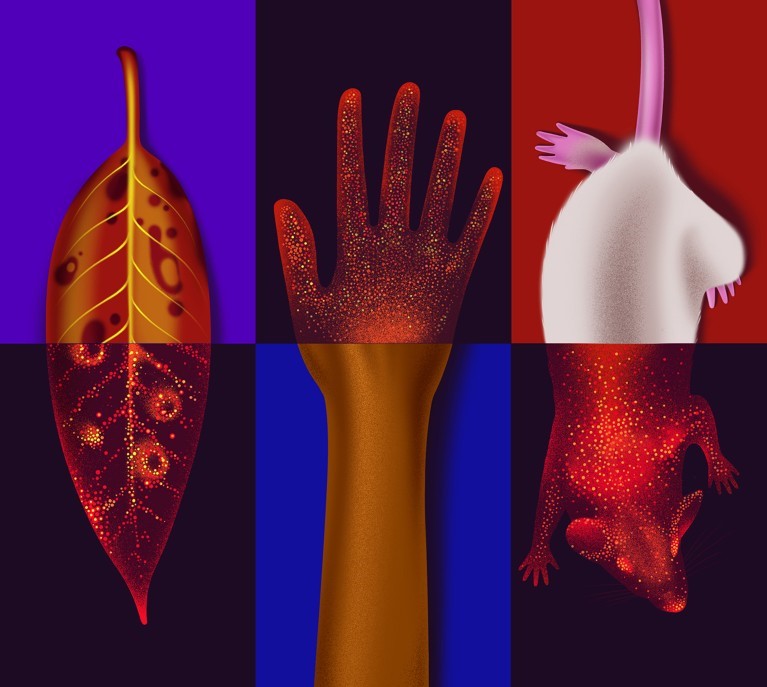
Studies suggest that the intensity and pattern of this photon emission can reflect cellular health status, serving as a non-invasive biomarker for monitoring tissue vitality, early disease diagnosis, and even assessing embryo quality in assisted reproduction. Furthermore, emerging theories propose that these photons might function as a cellular communication system. The study of biophotons thus opens a new window toward a deeper understanding of life and cellular processes.
ASWTR is committed to publishing cutting-edge research in biophotonics, cellular metabolism, and biomarkers, advancing knowledge toward precision medicine and tissue repair.
همه موجودات زنده یک نور ملایم از خود منتشر میکنند؛ آیا این نور میتواند مفید باشد؟
در مقاله ای که در 19 می 2026 در نشریه Nature به چاپ رسید میبینیم که همه موجودات زنده، از گیاهان و حیوانات تا انسانها، به طور مداوم نور بسیار ضعیفی از خود ساطع میکنند که به «بیوفوتون» معروف است. این پدیده که حاصل واکنشهای متابولیکی سلولها، به ویژه در میتوکندریهاست، مدتها موضوع بحث و بررسی بوده است. اکنون دانشمندان با پیشرفت فناوریهای تصویربرداری حساس، در حال کشف کاربردهای بالقوهی این نور بسیار ضعیف هستند.
پژوهشها نشان میدهد که شدت و الگوی این گسیل نوری میتواند با وضعیت سلامتی سلولها مرتبط باشد و به عنوان یک "زیستنشانگر غیرتهاجمی" برای پایش سلامت بافتها، تشخیص زودهنگام بیماریها و حتی ارزیابی کیفیت جنینها در روشهای کمکباروری به کار رود . همچنین، نظریههای جدیدتری مطرح شده که بر اساس آن، این فوتونها ممکن است نقش یک سامانه ارتباطی سلولی را نیز ایفا کنند. از این رو، مطالعه بیوفوتونها پنجرهای نو به سوی درک عمیقتر از حیات و فرآیندهای سلولی گشوده است.
پژوهشها نشان میدهد که شدت و الگوی این گسیل نوری میتواند با وضعیت سلامتی سلولها مرتبط باشد و به عنوان یک "زیستنشانگر غیرتهاجمی" برای پایش سلامت بافتها، تشخیص زودهنگام بیماریها و حتی ارزیابی کیفیت جنینها در روشهای کمکباروری به کار رود . همچنین، نظریههای جدیدتری مطرح شده که بر اساس آن، این فوتونها ممکن است نقش یک سامانه ارتباطی سلولی را نیز ایفا کنند. از این رو، مطالعه بیوفوتونها پنجرهای نو به سوی درک عمیقتر از حیات و فرآیندهای سلولی گشوده است.
نشریه ASWTR با انتشار پژوهشهای پیشرو در حوزه زیستفوتونیک، متابولیسم سلولی و نشانگرهای زیستی، به پیشبرد مرزهای دانش در مسیر پزشکی دقیق و ترمیم بافت متعهد است.
View: 72 Time(s) | Print: 15 Time(s) | Email: 0 Time(s) |
0 Comment(s)
Meat allergy Is on the rise : What scientists want to Know.
| Last update: 2026/08/8 |
A rare and puzzling allergy to red meat, triggered by tick bites, has been rising dramatically in recent years. Known as Alpha-Gal Syndrome, this condition develops after a bite from a specific tick, causing the immune system to react severely to mammalian meat (such as beef and pork). Despite the growing number of cases, researchers still have many unanswered questions about the reasons behind its sudden rise, geographic diversity, risk factors, and the precise immune mechanisms involved—making it one of the emerging challenges in immunology.
ASWTR is committed to publishing cutting-edge research in immunology, inflammatory responses, and tissue repair mechanisms, advancing knowledge in this critical field.
ASWTR is committed to publishing cutting-edge research in immunology, inflammatory responses, and tissue repair mechanisms, advancing knowledge in this critical field.
Reference:
https://www.nature.com/articles/d41586-026-02362-2?utm_source=Live+Audience&utm_campaign=b447af0858-nature-briefing-daily-20260731&utm_medium=email&utm_term=0_-33f35e09ea-500830243
افزایش موارد حساسیت به گوشت؛ آنچه دانشمندان به دنبال کشف آن هستند.
به تازگی یک مطالعه در تاریخ 1 اگوست 2026 در مجله ی Nature چاپ شده است که نشان میدهد یک نوع آلرژی نادر و مرموز به گوشت قرمز که عامل آن کنه است، در سالهای اخیر به طور چشمگیری در حال افزایش است.
این آلرژی که به «سندرم آلفا-گال» معروف است، پس از گزش توسط کنهی خاصی در بدن ایجاد شده و فرد به گوشت پستانداران (مانند گوشت گاو و خوک) حساسیت شدید پیدا میکند. با وجود گسترش موارد ابتلا، پژوهشگران هنوز ابهامات زیادی درباره دلایل افزایش ناگهانی، تنوع جغرافیایی، عوامل خطر و مکانیسم دقیق واکنشهای ایمنی در این بیماری دارند و این موضوع را به یکی از چالشهای جدید علم ایمنیشناسی تبدیل کرده است.
نشریه ASWTR با انتشار پژوهشهای پیشرو در حوزه ایمنیشناسی، واکنشهای التهابی و مکانیسمهای ترمیم بافت، به گسترش دانش در این حوزه کمک میکند.
View: 74 Time(s) | Print: 14 Time(s) | Email: 0 Time(s) |
0 Comment(s)
Decoding the genomic identity of early smallpox in South America
| Last update: 2026/08/1 |
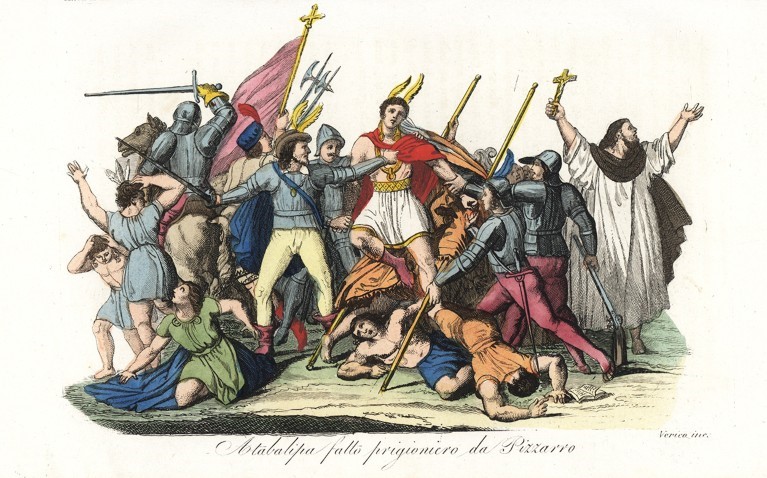
Researchers have successfully decoded the genomic identity of the smallpox virus in South America by analyzing historical samples. The new findings reveal that the early smallpox strains in the region are older than previously thought and that their transmission routes were more complex. This study, conducted on ancient specimens, sheds light on the geographical spread and evolutionary patterns of the virus during the colonial era, contributing to a better understanding of the history of infectious diseases worldwide.
ASWTR is committed to publishing cutting-edge research on pathogenic mechanisms and immune responses, advancing knowledge in the fight against infectious threats.
ASWTR is committed to publishing cutting-edge research on pathogenic mechanisms and immune responses, advancing knowledge in the fight against infectious threats.
Reference: https://www.science.org/doi/10.1126/science.aee6957
رمزگشایی از هویت ژنومی آبله در آمریکای جنوبی
بر اساس مطالعه ی جدیدی که در 31 July سال 2026 در مجله ی Science چاپ شد، پژوهشگران با تحلیل ژنوم ویروس آبله از نمونههای تاریخی، موفق به رمزگشایی از هویت ژنومی این ویروس در آمریکای جنوبی شدهاند. یافتههای جدید نشان میدهد که سویههای اولیه آبله در این منطقه، قدمتی بیش از آنچه پیشتر تصور میشد داشته و مسیر انتقال آنها پیچیدگیهای بیشتری داشته است. این مطالعه که بر روی نمونههای باستانی انجام شده، الگوهای پراکندگی جغرافیایی و تکامل ویروس را در دوران استعمار روشن میسازد و به درک بهتر تاریخچه بیماریهای عفونی در جهان کمک میکند.
نشریه ASWTR با انتشار پژوهشهای پیشرو در حوزه مکانیسمهای بیماریزایی و پاسخهای ایمنی، به توسعه دانش در مسیر مقابله با تهدیدات عفونی متعهد است.
بر اساس مطالعه ی جدیدی که در 31 July سال 2026 در مجله ی Science چاپ شد، پژوهشگران با تحلیل ژنوم ویروس آبله از نمونههای تاریخی، موفق به رمزگشایی از هویت ژنومی این ویروس در آمریکای جنوبی شدهاند. یافتههای جدید نشان میدهد که سویههای اولیه آبله در این منطقه، قدمتی بیش از آنچه پیشتر تصور میشد داشته و مسیر انتقال آنها پیچیدگیهای بیشتری داشته است. این مطالعه که بر روی نمونههای باستانی انجام شده، الگوهای پراکندگی جغرافیایی و تکامل ویروس را در دوران استعمار روشن میسازد و به درک بهتر تاریخچه بیماریهای عفونی در جهان کمک میکند.
نشریه ASWTR با انتشار پژوهشهای پیشرو در حوزه مکانیسمهای بیماریزایی و پاسخهای ایمنی، به توسعه دانش در مسیر مقابله با تهدیدات عفونی متعهد است.
View: 167 Time(s) | Print: 23 Time(s) | Email: 0 Time(s) |
0 Comment(s)